
News
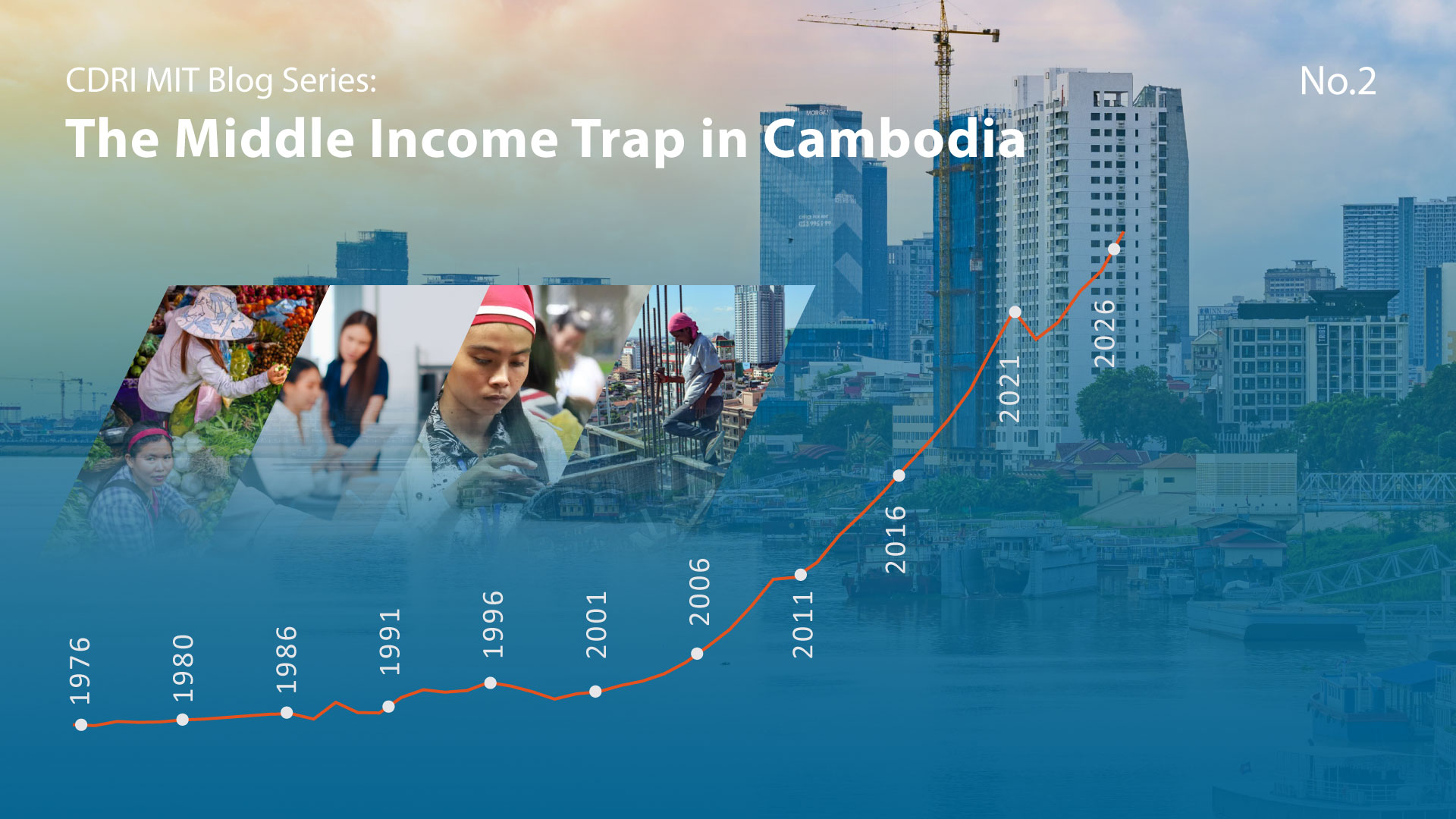
09 July 2026The Middle-Income Trap in Cambodia: Diminishing Returns from Good Macroeconomic Policy
អន្ទាក់នៃប្រាក់ចំណូលមធ្យមនៅកម្ពុជា៖ ការថយចុះនៃផលត្រឡប់ពីគោលនយោបាយម៉ាក្រូសេដ្ឋកិច្ចល្អ
សារគន្លឹះ
- បច្ចេកស័ព្ទ «អន្ទាក់នៃប្រាក់ចំណូលមធ្យម» សំដៅដល់កត្តារចនាសម្ព័ន្ធ ដែលជាឫសគល់នៃបញ្ហាប្រឈមដ៏ធំធេង ក្នុងការស្តារឡើងវិញ និងការរក្សាចីរភាពនៃកំណើនសេដ្ឋកិច្ចដ៏លឿន នៅប្រទេសកម្ពុជា។
- ក្នុងបរិបទនេះ វិទ្យាស្ថានបណ្ដុះបណ្ដាល និងស្រាវជ្រាវដើម្បីអភិវឌ្ឍន៍កម្ពុជា (CDRI) កំពុងចាប់ផ្ដើមធ្វើការសិក្សាស្រាវជ្រាវថ្មីដ៏សំខាន់មួយ ដែលផ្តោតលើភាពពាក់ព័ន្ធ និងផលប៉ះពាល់ផ្នែកគោលនយោបាយនៃអន្ទាក់នេះសម្រាប់ករណីកម្ពុជា។
- ដោយផ្អែកលើរង្វាស់បីយ៉ាងសម្រាប់គោលនយោបាយសេដ្ឋកិច្ចល្អ រួមមាន ភាពបើកចំហ ការគ្រប់គ្រងម៉ាក្រូសេដ្ឋកិច្ច និងភាពងាយរងគ្រោះ កម្ពុជាបានអនុវត្ត និងរក្សាចីរភាពគោលនយោបាយសេដ្ឋកិច្ច «ល្អ» ក្នុងរយៈពេលពីរទសវត្សរ៍ចុងក្រោយនេះ។
- នៅវិទ្យាស្ថាន CDRI យើងប្រើនិយមន័យសាមញ្ញ និងជាក់ស្តែងនៃ «អន្ទាក់» នេះ ពោលគឺដំណើរការនៃកំណើនសេដ្ឋកិច្ចមានដំណើរការខុសប្លែកគ្នានៅក្នុងប្រទេសដែលមានប្រាក់ចំណូលមធ្យម ដោយសារតែការថយចុះនៃផលត្រឡប់។
- កម្ពុជានៅសល់លំហគោលនយោបាយមួយចំនួន ដើម្បីជំរុញកំណើនសេដ្ឋកិច្ច តាមរយៈការផ្លាស់ប្តូរកម្លាំងពលកម្មពីវិស័យកសិកម្មទៅវិស័យរោងចក្រឧស្សាហកម្ម និងការផ្ដល់ការអប់រំមូលដ្ឋានដល់កុមារ។ លើសពីនេះទៅទៀត លំហគោលនយោបាយសម្រាប់ជំរុញកំណើនសេដ្ឋកិច្ចស្ទើរតែមិននៅសល់ទៀតទេ។ ប្រាក់ឈ្នួលកំពុងកើនឡើងយ៉ាងលឿន ខណៈម៉ោងធ្វើការ អត្រាចូលរួមក្នុងកម្លាំងពលកម្ម និងកម្រិតវិនិយោគ បានឈានដល់កម្រិតខ្ពស់ ដែលពិបាកនឹងបង្កើនបន្ថែមទៀត។
- ដូចដែលការស្រាវជ្រាវរបស់វិទ្យាស្ថាន CDRI នឹងបង្ហាញ ដើម្បីគេចចេញពី «អន្ទាក់» នេះ កម្ពុជាត្រូវផ្តល់អាទិភាពដល់កំណែទម្រង់ដែលផ្តោតលើបច្ចេកវិទ្យា ជំនាញកម្លាំងពលកម្ម និងសមត្ថភាពគ្រប់គ្រង ព្រមទាំងផលិតភាពកាន់តែខ្ពស់។
Key Messages
- The Middle-Income Trap highlights those underlying structural factors which create deep challenges to resuming and sustaining rapid economic growth in Cambodia.
- The Cambodia Development Resources Institute (CDRI) is launching a major new research initiative focused on the relevance and policy implications of the Trap for Cambodia.
- By three measures for good economic policy — openness, macroeconomic management, and vulnerability — Cambodia has implemented and sustained ‘good’ economic policy over the last two decades.
- At CDRI, we take a simple and pragmatic definition of the Trap, that the process of economic growth works differently in a middle-income country due to diminishing returns.
- Cambodia has some policy space remaining to promote economic growth by moving people from fields to factories and keeping children at school desks. Elsewhere, that policy space is exhausted,
- As CDRI research will show, to escape the Trap, Cambodia now needs to prioritise reforms that focus on technology, worker and management skills, and productivity.
Introduction
In 2025, the average income (GDP per capita) in Cambodia reached USD2,870. Cambodia had secured the status of a middle-income country. Ambitious plans by the Royal Government of Cambodia have targeted, in Vision 2050, first reaching upper middle-income (USD4,496) by 2030 and then higher-income status (USD13,935) by 2050.
In June 2023, the Cambodia Development Resources Institute (CDRI) launched the Cambodia 2030 research “to evaluate Cambodia’s long-term growth potential, with a specific focus on its aspiration to attain upper middle-income status by 2030”. This blog contributes to a new big theme research project from CDRI, ‘Middle-Income in Cambodia: Trap or Opportunity’. The first blog in this series made the case that the Trap is relevant for contemporary Cambodia. This blog looks in more detail at how CDRI understand
The Trap must be central to our understanding of economic and social development in Cambodia today because of the phenomenon of diminishing returns.
Good Policy in Cambodia
By three widely accepted proxy measures for good economic policy — openness, macroeconomic management, and vulnerability — Cambodia has implemented and sustained ‘good’ economic policy over the last two decades.
Openness: the trade ratio is measured as the total of imports and exports as a share of GDP and provides a measure of how open Cambodia is to the global economy. The trade ratio (2024) was much greater in Cambodia (143 percent) than the average of either low-income (56 percent), middle-income (55 percent) or upper middle-income (47 percent) countries.
Macroeconomic Management: Inflation is a measure of how successful the government is in managing fiscal and monetary policy and adapting to external energy and food price shocks. In Cambodia, the inflation rate spiked at 24.1 percent in 2008 (due to rising global food prices), then fell rapidly to -0.8 percent in 2009, and since then has been stable and fluctuating below 5 percent. While commendable, this inflationary performance was surpassed by Thailand and Malaysia: both countries avoided a serious inflationary spike in 2008 and maintained low and stable inflation. Cambodia performed better than Vietnam, where inflation peaked at 23.1 percent (2008) and 18.7 percent (2011), and only started declining and stabilising in 2014.
Vulnerability and Debt Management: There are many possible measures of economic vulnerability; one influential measure frequently discussed by policy practitioners is the effective management of debt. Table 1 shows that external debt as a share of GDP in 2024 (a measure of economic burden) is higher in Cambodia in 2024 (46.11 percent) than in either lower (30.09 percent) or upper middle-income (21.30 percent) countries on average, but has declined very rapidly since the COVID-19 shock ended in 2021.
Table 1: Total external debt as a share of GDP
Country/Grouping | 2016 | 2021 | 2024 |
Cambodia | 39.45 | 56.80 | 46.11 |
Lower Middle-Income | 26.78 | 31.22 | 30.09 |
Upper Middle-Income | 23.46 | 24.04 | 21.30 |
Source: World Bank Development Indicators (2026)
Table 2 shows that the share of short-term debt (defined as a maturity of one year or less) as a share of total debt in 2024 (that portion of debt that can disrupt an economy by suddenly flowing out in response to investor concerns) was higher in Cambodia (20.48 percent) than in lower middle-income countries (16.74 percent) but lower than in upper middle-income countries (31.34 percent). In Cambodia, unlike the other two country groupings, the ratio has been declining since 2021.
Table 2: Short-term debt as a share of total debt
Country/Grouping | 2016 | 2021 | 2024 |
Cambodia | 17.16 | 22.13 | 20.48 |
Lower Middle-Income | 15.21 | 8.42 | 16.74 |
Upper Middle-Income | 27.72 | 29.76 | 31.34 |
Source: World Bank Development Indicators (2026)
Figure 1 shows that good macroeconomic policy in Cambodia helped unleash almost three decades of rapid (7 percent plus) economic growth. This sustained growth has lifted Cambodia from low- to lower-middle-income status.
Figure 1: GDP per capita (Current USD): Cambodia

Source: World Bank Development Indicators (2026)
The Middle-Income Trap: How We Understand it at CDRI
The first blog in this series showed that there are many definitions of the Trap. At CDRI, we take a simple and pragmatic definition that revolves around the idea that the process of economic growth changes as a country graduates from low- to middle-income status due to diminishing returns. This is illustrated by Figure 2.
A poor developing country can generate rapid economic growth and lift its GDP per capita from O to GDP1 by accumulating more factors of production, moving from O to A. Good policy can generate rapid economic growth, including i) spreading literacy among an illiterate population; ii) moving workers, especially women, from low productivity household and agricultural production to factories; iii) building roads to connect rural and urban areas to facilitate rural-urban trade and movement of people; iv) amalgamating small plots of fertile land to create larger and more efficient farms; v) basic medical innovations such as vaccinations, clean water, and oral-rehydration that boost both life expectancy and labour efficiency.
Figure 2: Diminishing Returns to Scale

Source: Authors
Rapid economic growth, based on accumulating more factors of production, runs into diminishing returns.
When an isolated rural area is first connected to the national road network, there will be a dramatic boost to the capacity of local farmers to trade their surplus production with urban areas. Subsequently, upgrading the road to an expensive highway or railway will help farmers by increasing the speed and volume of trade, although those gains will occur at
The basic package of cheap medical interventions (noted above) can quickly increase average life expectancy from 40 to 60 years; sustaining any increase
Literacy transforms production, livelihoods, and wider welfare. Five years of education at primary school that creates and locks in basic literacy will allow people to read the instructions on packets of fertiliser, to articulate their health concerns to a doctor, and to operate machinery in a textile factory. Longer spells in primary education, secondary school, and higher education will all boost labour productivity and potential earnings, but at a diminishing rate.
The Trap occurs as an economy reaches point A, after which GDP growth will start slowing dramatically. Good policy that helps countries grow during their low-income stage (accumulating more factors of production) will prevent them from moving beyond the middle-income stage.
Cambodia: Diminishing Returns or Remaining Policy Space?
This discussion builds upon research work already published by CDRI as part of the Cambodia 2030 research launched in 2023.
Structural Change: In 2024, only 16.6 percent of Cambodia's GDP was accounted for by agriculture, while manufacturing reached 28 percent in 2024. The share of the Cambodian population living and working in rural areas has declined from 78 percent in 1998 to 58 percent in 2010 and to 33 percent in 2025. There does exist some scope to facilitate further labour migration out of agriculture. By comparison, the rural share of the population was 25 percent in Vietnam, 9 percent in Malaysia, 29 percent in Thailand, and 27 percent in Indonesia.
Getting Behind the School Desk: Youth literacy (age 15–24) reached approximately 96 percent in 2024. While net enrolment rates in primary school were around 90 percent in 2023, children in Cambodia need to remain in school for longer — to lock in literacy and numeracy. The secondary school completion rate in Cambodia increased from 49.3 percent in 2010 to 61.6 percent in 2024, but remains much higher in Thailand (95.7 percent), Malaysia (81.5 percent), Vietnam (95.2 percent), and Indonesia (99.7 percent).
From the Household to the Factory: Recent World Bank data shows that Cambodia’s overall labour force participation rate reached 82 percent and 74 percent for women — about double the average prevailing in other lower middle-income countries. This reflects the one million jobs in manufacturing that Cambodia has created, mainly for young, unskilled women in the textile sector. CDRI research shows that real wages for low-skilled workers have risen rapidly over the past decade as the supply of cheap labour from the countryside or the household reaches its limits. There is no scope left to increase the intensity of labour amongst those already working. ILO data shows that Cambodian workers have the longest working week (49.5 hours), compared to other countries in the region
Mobilising Resources for Investment: Investment increased from 17 to 38 percent of GDP between 2000 and 2022. This is mostly funded by domestic savings, which reached 41 percent of GDP in 2024. Few countries in history have ever mobilised such a high level of domestic resources for savings and investment.
Policy Space Remaining: This section has shown that Cambodia still has some policy space to promote economic growth through moving people from fields to factories and in keeping children at school desks.
Conclusion
Cambodia has mobilised resources for development — moving workers from fields and households to the factory, providing the young with basic literacy, and boosting investment to very high levels. The policy space to sustain economic growth is now rapidly running out. The strategy that helped drive Cambodia from low- to middle-income status is running out of steam. To sustain economic growth (see Figure 2) after point A, Cambodia must shift its growth strategy to one that increases the productivity of a given stock of factors of production, through better management, improved worker skills, and the adoption of new technology.
Look out for our third blog, The Middle-Income Trap in Cambodia: A Productivity-led Growth Strategy.
Authors:
Prof Dr Matthew McCartney, Chief Economist, CDRI
Dr Khath Bunthorn, Publication Manager and Research Associate at CDRI’s Centre for Governance and Inclusive Society
Related News
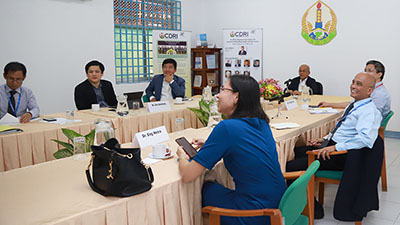
CDRI Board of Directors Meeting
04 November 2020The Board of Directors (BoD) of the Cambodia Development Resource Institute (CDRI) met at a virtual meeting on 3rd November 2020. All 10 existing BoD members attended and actively engaged in the deliberation and comments. For further information about CDRI BoD, please visit CDRI...
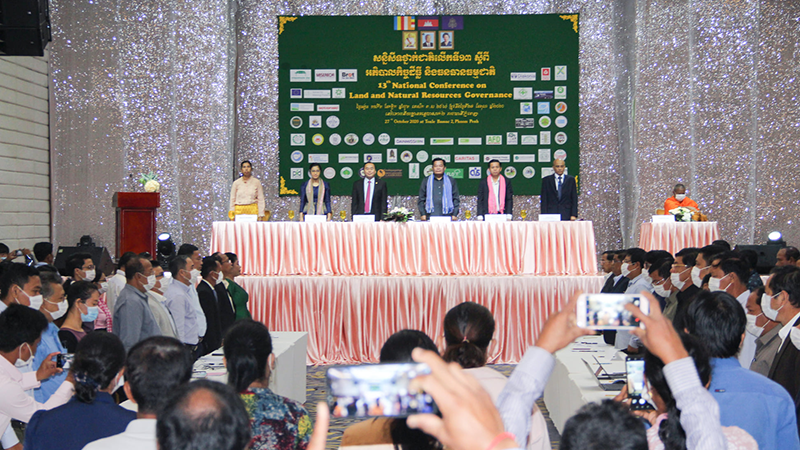
CDRI Deliveries Keynote at National Conference on Land and Natural Resources Governance
27 October 2020CDRI Senior Management was invited to deliver a key-note on the Land and Natural Resources Governance at the National Conference on Tuesday, October 27, 2020, at the Bassac II. It was attended by over 150 participants from the provinces, key ministries and departments, and repres...
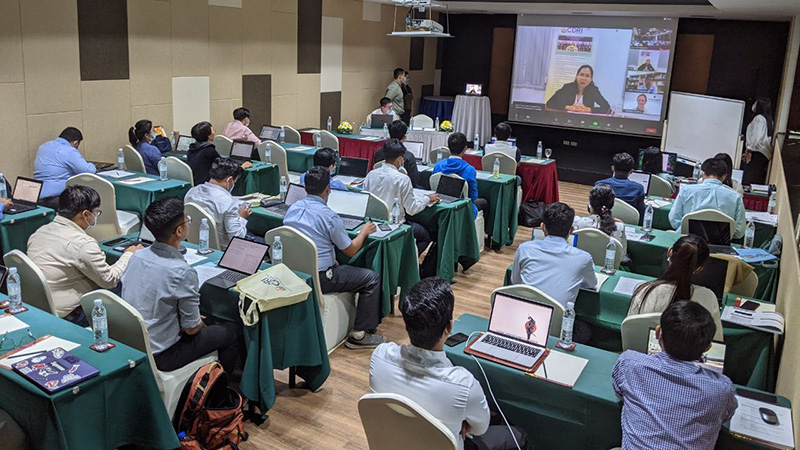
Training on Introduction to R for Quantitative Data Analysis
04 February 2021In collaboration with The Asia Foundation and under financial support from the Australian Department of Foreign Affairs and Trade (DFAT), the Centre for Educational Research and Innovation (CERI) has organizing a three-day intensive workshop on “Introduction to R for Quantitative...