
Abstract/Summary
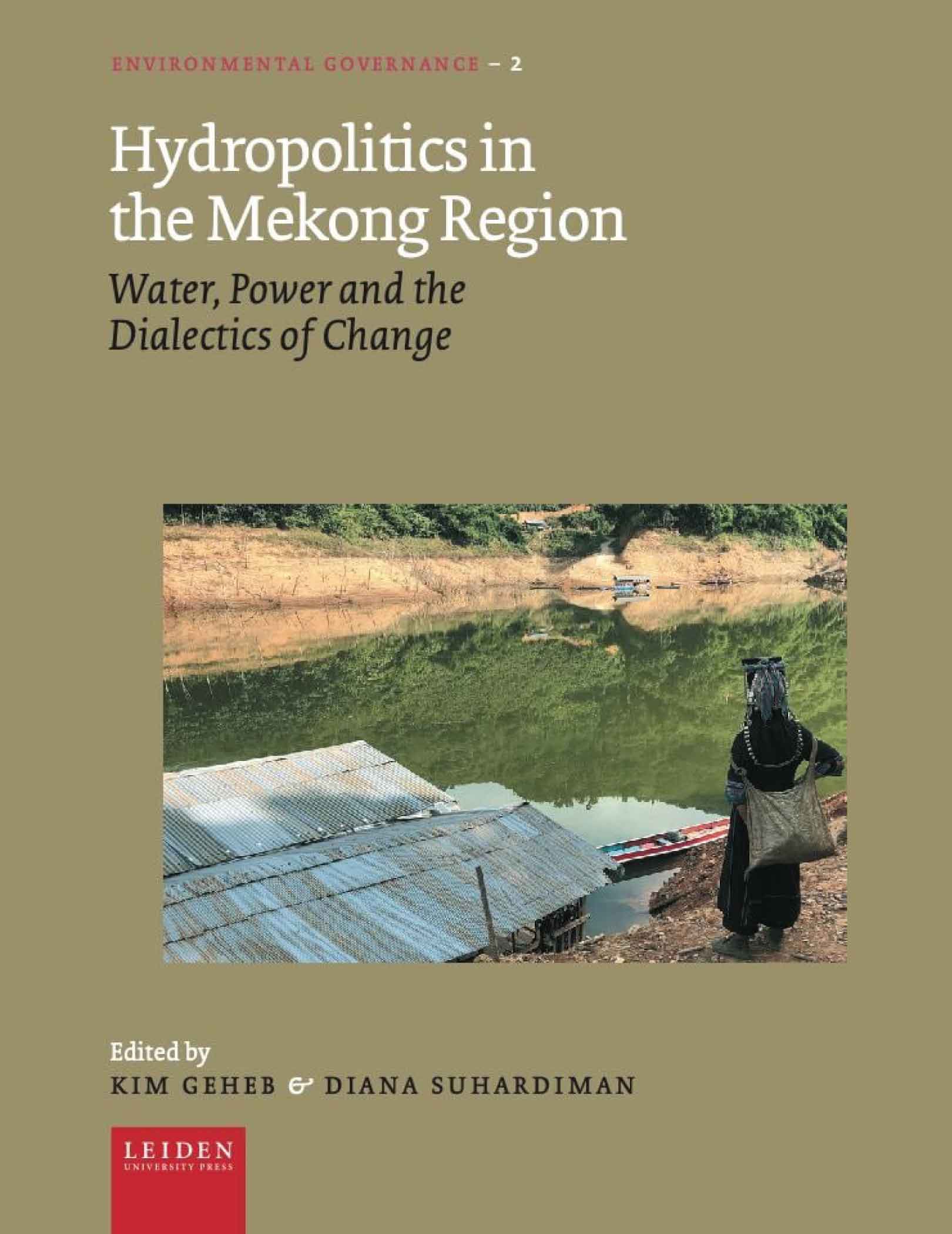
Situated in Cambodia, the Tonle Sap Lake (TSL) is the largest freshwater lake in Southeast Asia and the Mekong River Basin. It is a globally important biodiversity hotspot, while also displaying significant economic, livelihood, and food-production values. The lake and its resources are, however, under significant pressure from over-fishing and upstream development, particularly hydropower. In this chapter, we explore the management of the lake and its resources, arguing that the management frameworks in place reflect broader patterns of state interests and resource governance.
The full book can be found at: https://lup.nl/publications/other/biodiversity/hydropolitics-in-the-mekong-region/
Related Publications
From Serial Discontinuity to Socio-ecological Resilience: A Conceptual...
08-Oct-2026
River ecosystem discontinuity and dysconnectivity are significant concern in transboundary river basins. Anthropogenic i...
Hydrological Dynamics and Implications for Integrated Water Resources...
04-Aug-2026
Boeng Sneh Lake (BSL), a 3,924-hectare freshwater wetland in Cambodia’s Mekong Delta, is a critical water resource tha...
Strengthening and Localising Data for Inclusive and Climate-Resilient...
26-Jun-2026
Boeng Sneh Lake is a crucial freshwater ecosystem supporting rice farming, fisheries, water supply, and climate resili...